
The landscape of law enforcement in Massachusetts is diverse, offering various pathways for individuals dedicated to public safety and community service. One of the most specialized and vital roles within this sector is that of the Special State Police Officer (SSPO). These officers play a critical role in maintaining order and ensuring safety in specific jurisdictions such as universities, colleges, and medical facilities. The gateway to this prestigious career is the SSPO Academy, a rigorous training institution designed to equip recruits with the legal knowledge, physical resilience, and tactical skills necessary for the job.
Unlike standard municipal police academies, the SSPO Academy focuses on the unique challenges faced by officers operating in institutional environments. While the core law enforcement principles remain the same—upholding the constitution, preserving peace, and preventing crime—the context of an SSPO’s work requires specialized training in areas like campus safety, mental health response, and community-oriented policing within diverse academic or medical populations. For aspiring officers, understanding the depth of this training and the authority it confers is the first step toward a rewarding career. This comprehensive guide explores the academy’s curriculum, the legal standing of SSPOs, and the vast career opportunities available to graduates.
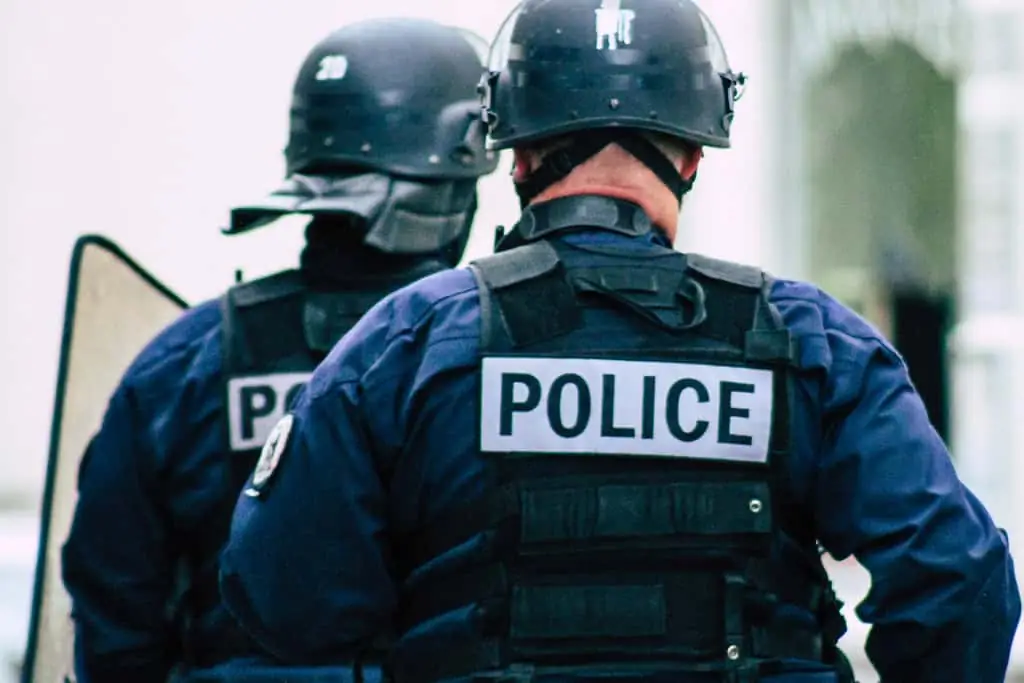
The Significance of the SSPO in Law Enforcement
The role of a Special State Police Officer is often misunderstood by the general public, yet it is integral to the safety infrastructure of the Commonwealth. An sspo is not a security guard; they are sworn law enforcement officers deriving their authority from Massachusetts General Law Chapter 22C, Section 63. This statute grants them the same power to make arrests as regular police officers for any criminal offense committed in or upon lands or structures owned, used, or occupied by their employing agency. This means that within their jurisdiction—be it a sprawling university campus or a major hospital complex—an SSPO possesses full police powers.
The creation of the SSPO designation addresses a specific need for high-level policing in environments that are effectively small cities. Large universities and hospitals have populations that can rival small towns, with their own traffic issues, crime dynamics, and public safety emergencies. The SSPO is the dedicated guardian of these communities. Their presence allows for a rapid response to critical incidents without relying solely on municipal or state police, who may be stretched thin across broader jurisdictions. Furthermore, the SSPO is trained to handle the nuances of their specific environment, such as the Federal Clery Act compliance for universities or HIPAA regulations in hospitals, making them specialized assets in the state’s public safety network.
Overview of the SSPO Academy
Entering the sspo academy is the transformative process that turns civilians into capable law enforcement officers. The academy is typically overseen by the Massachusetts State Police (MSP) Certification Unit, ensuring that the training meets the high standards expected of any officer bearing the state’s seal. The curriculum is comprehensive, often mirroring the intensity and discipline of the full State Police Recruit Academy, albeit tailored to the specific statutory jurisdiction of SSPOs.
The training program is physically and mentally demanding. Recruits are subjected to a paramilitary environment where discipline, attention to detail, and chain of command are instilled from day one. The academic portion of the academy covers a vast array of topics, including constitutional law, criminal procedure, motor vehicle law, and domestic violence response. However, the SSPO Academy also places a heavy emphasis on the “special” nature of the role.
Modules specifically designed for the SSPO context include community policing strategies for student populations, de-escalation techniques for hospital settings, and the legal intricacies of private vs. public property policing. Physical fitness is paramount; recruits must pass rigorous physical abilities tests (PAT) that measure strength, endurance, and agility. Defensive tactics, firearms proficiency, and emergency vehicle operations (EVOC) are also core components, ensuring that every graduate is prepared for the unpredictable nature of police work.
Why Choose the SSPO Academy Massachusetts?
For those considering a career in law enforcement, the sspo academy massachusetts offers a unique and distinct value proposition. Unlike the municipal police path, which often requires navigating the Civil Service system—a process that can take years and is heavily impacted by residency preferences—the path to becoming an SSPO is often more direct. Many agencies hire recruits first and then sponsor them through the academy, providing a clearer timeline from application to active duty.
Moreover, the training provided at the Massachusetts SSPO Academy is recognized for its excellence. Graduates emerge not just as security personnel, but as fully certified law enforcement officers with transferable skills. The networking opportunities within the academy are substantial, as recruits train alongside peers from various prestigious institutions across the state, including Harvard University Police, MIT Police, and Boston City Hospital Police. This creates a professional camaraderie and a support system that lasts throughout one’s career.
The academy also serves as a proving ground. Because the Massachusetts State Police oversee the certification, the standards are incredibly high. Surviving the academy is a badge of honor that demonstrates a candidate’s resilience and dedication. For many, it serves as a career stepping stone; the experience gained as an SSPO—dealing with diverse populations, managing complex investigations, and working in high-density environments—is highly valued by federal agencies and larger municipal departments should an officer choose to transition later in their career.

Defining the SSPO Meaning and Role
To fully appreciate the career, one must dive deeper into the sspo meaning. The acronym stands for “Special State Police Officer,” but the “Special” does not imply “lesser.” Instead, it denotes “special jurisdiction.” In the context of Massachusetts law, a “special” officer is one appointed for a specific purpose or location, as opposed to a “general” officer with broad, statewide jurisdiction like a State Trooper. However, inside their defined territory, the authority is absolute.
The role of an SSPO is multifaceted. On a university campus, they are part mentor, part protector, and part enforcer. They might spend a morning conducting a sexual assault investigation, an afternoon directing traffic for a football game, and an evening responding to a mental health crisis in a dormitory. In a hospital setting, the SSPO protects vulnerable patients and staff, manages aggressive behavior in emergency rooms, and secures sensitive areas like pharmacies and research labs.
This duality—being a fully empowered police officer while serving a specific community mission—is the essence of the SSPO meaning. It requires a high degree of emotional intelligence. Officers must balance strict law enforcement with the customer-service-oriented nature of the institutions they serve. They are often the face of the institution’s commitment to safety, requiring them to be approachable yet authoritative. The SSPO Academy dedicates significant time to role-playing scenarios that test this balance, ensuring officers can switch from a friendly community engagement mode to a tactical response mode in seconds.
Career Opportunities in SSPO Police Work
The career trajectory for sspo police professionals is robust and varied. Upon graduation, officers typically enter a probationary period with their sponsoring agency, where they undergo Field Training (FTO). This real-world application of academy lessons cements their skills. Once fully established, SSPOs can specialize in various fields within their departments.
Large university departments often have detective bureaus, bicycle units, K-9 units, and dignitary protection teams (especially relevant for universities that host visiting heads of state). Hospital police departments may have specialized crisis intervention teams or hazardous materials response units. The opportunity for promotion is also significant, with ranks usually following a military structure from Sergeant to Lieutenant, Captain, and Chief.
Financially, SSPO positions are often very competitive with municipal police. Many private universities and large hospital networks offer salary packages and benefits that exceed those of small town departments, including tuition remission for officers and their families—a massive perk for those working in higher education. Furthermore, the experience gained is invaluable. An SSPO Police officer deals with a microcosm of society. The exposure to different cultures, the frequency of mental health calls, and the need for sophisticated report writing make experienced SSPOs highly sought after in the broader security and law enforcement market.

Frequently Asked Questions
What is the SSPO Full Form?
The sspo full form stands for Special State Police Officer. This title refers to law enforcement officers in Massachusetts who are appointed under General Law Chapter 22C, Section 63, typically serving educational and medical institutions.
What is the exact SSPO Meaning regarding authority?
The sspo meaning in terms of authority is that these officers possess full police powers, including the power of arrest, identical to municipal police officers, but their jurisdiction is primarily limited to the property owned, used, or occupied by their employing agency (such as a college campus or hospital).
How does SSPO Police authority differ from municipal police?
While sspo police officers have full arrest powers like municipal officers, the key difference is jurisdiction. A municipal officer’s primary jurisdiction is the entire town or city. An SSPO’s jurisdiction is the specific institution’s property. However, SSPOs often have the authority to pursue suspects off-property if a crime originated within their jurisdiction, and many have mutual aid agreements with local police.
What are the core SSPO Academy requirements?
To enter the sspo academy, candidates generally must be at least 19 or 21 years old (depending on agency), possess a high school diploma or GED (though many agencies prefer degrees), possess a valid driver’s license, have no felony convictions, and pass a background check. Physical fitness standards (PAT) and a medical/psychological exam are also mandatory prerequisites.
How long is the training at the SSPO Academy Massachusetts?
The duration of the sspo academy massachusetts can vary depending on the specific program cycle, but it typically involves several months of intensive training. It generally ranges from 16 to 24 weeks of full-time instruction, covering over 800 hours of classroom and practical training to meet the Peace Officer Standards and Training (POST) commission requirements.
Conclusion
The journey through the SSPO Academy is one of intense challenge and profound reward. It transforms individuals into guardians of some of Massachusetts’ most vital institutions. Whether protecting the bright minds of the future at a university or safeguarding the health of the community at a medical center, the Special State Police Officer stands as a pillar of safety.
For those ready to accept the call, the SSPO designation offers a career filled with variety, purpose, and opportunity. It is a role that commands respect and requires a unique blend of tactical capability and community empathy. By understanding the rigorous training, the legal authority, and the expansive career paths available, aspiring officers can confidently take the first step toward earning the badge and making a tangible difference in their communities. The SSPO Academy is not just a training center; it is the forge where the next generation of specialized law enforcement leaders is shaped.